Casino Beverage Service Tipping: The Real Math Behind the Cocktail Circuit
Every dollar you hand a cocktail server on the casino floor is a line item in a labor cost model the pit boss already ran before you sat down. The casino beverage service tipping economy is not charity — it is a subsidized comp system engineered to keep you seated, hydrated, and losing. 🎰
Why "Free" Drinks Are Never Free
Casinos price complimentary beverage service into their hold percentage, not their marketing budget. A property running a 2% house edge on a busy Saturday needs roughly $18 in theoretical win per hour from a mid-limit player just to cover the server's wage, the liquor pour cost, and the comped drink itself. That is the hidden ledger nobody shows you. The casino floor service guide printed on the back of your player's card says nothing about it, but the surveillance and floor managers absolutely track beverage-to-play ratios by zone.
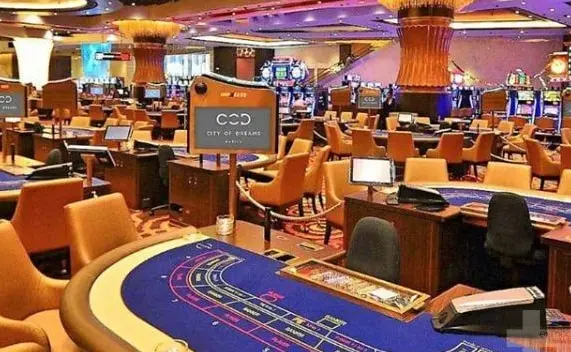
The Tipping Leakage Nobody Audits
Here is the ugly truth seasoned floor veterans already know: tipping behavior on the casino floor is one of the most poorly instrumented metrics in the entire operation. Servers carry their own mental ledger of who tips and who stiffs. That ledger leaks into service speed. A player who tips $2 per round gets a second drink in under twelve minutes; a non-tipper waits twenty-five and gets a watered pour. This is not corruption — it is rational triage in a labor-constrained service grid. The gap between advertised service standards and actual delivered service is the single largest untracked variance in beverage cost accounting.
Pour Cost Discipline and Server Incentives
Smart properties tie server performance to pour cost variance, not drink volume. A server who over-pours to chase tips destroys margin faster than any tip she generates. The good ones run a tight pour discipline and still extract $40 to $60 an hour in gratuities on a packed casino beverage service tipping floor. That is the number the floor manager watches. 💵

What the Floor Guide Actually Reveals
Read the fine print in any casino floor service guide and you find the service window language: "beverage service available during active play." Available — not guaranteed. That single word is the legal and operational escape hatch that lets a property throttle service without breaching any customer commitment. The tipping economy fills that gap. Players who tip create a de facto service contract that overrides the published window.
Comp Integrity and the Audit Trail
Every comped drink generates an audit entry. A $9 pour cost times 400 drinks across a busy floor is $3,600 in nightly beverage expense, and the accounting system wants that reconciled against tracked play. Discrepancies between comp volume and player time-on-device are flagged weekly. Servers who blanket-comp without matching play get retrained fast. The tipping layer sits outside this audit entirely — which is exactly why it persists and why the smart money treats gratuity as an operating cost, not a courtesy.
The Real Recommendation From the Floor
Tip consistently, tip in cash, and tip early in your session. The service differential is measurable within the first hour. Do not treat the drink cart as a charity round — treat it as a service contract with a visible price. The players who understand the casino beverage service tipping model get faster pours, better seats, and service that actually respects their time. The ones who do not are just funding the comp budget while waiting for a warm beer. 🍸