Casino Beverage Service Tipping: The Hidden Economics of the Pit
Every drink runner on a casino floor is running a live arbitrage operation, and the tip you slide across that cocktail napkin is the only variable they actually control. The beverage service tipping economy is not a courtesy layer bolted onto gaming revenue — it is a parallel compensation system that determines whether your server returns in ninety seconds or ninety minutes. 🎰
Here is the hard mechanic most players never see: drink service staff are typically paid a sub-minimum base wage in U.S. jurisdictions, with the gap covered entirely by gratuity. That means the cocktail server working a high-limit slot bank is functionally self-employed inside the house's floor plan. Their route optimization is ruthless. A five-dollar bill on a two-dollar coffee buys priority positioning; a bare "thanks" buys the back of the queue. This is not rudeness — it is rational triage under a casino floor service guide that exists only in the staff's collective memory.
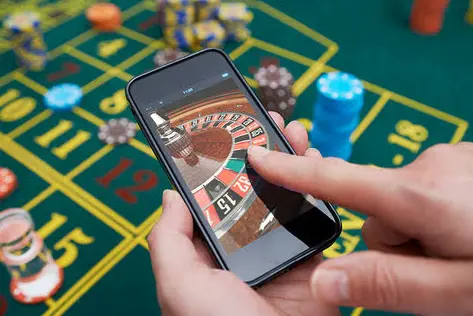
The Tipping Tiers That Actually Move the Floor
Strip out the sentiment and the math is brutally simple. Servers mentally rank every active player into tiers based on per-drink gratuity, session length, and perceived volatility of the player's action. Tier one — dollar-plus per round, predictable cadence — gets proactive refills and a runner who remembers the call. Tier two gets standard rotation. Tier three, the chronic non-tipper, gets the theoretical minimum the house requires for compliance, which in practice means a long walk and a warm drink.
The smart play is a front-loaded tip. Drop a five on the first round before the server has any data on you, and you have purchased a reputation rather than a beverage. That single gesture anchors you in tier one for the entire session because servers communicate across the floor in real time — shift leads, barbacks, and the break room all sync faster than any player tracking system. Your casino beverage service tipping behavior is your credit score on the carpet.
Comp Drinks Are Not Free and the Tip Is the Tax
Players treat "free" cocktails as house generosity. Wrong frame. The comped drink is a retention mechanism priced into the hold percentage, and the tip is the service tax that keeps the mechanism running. Strip the tip out of the equation and the server's incentive to walk your aisle evaporates — which is exactly why high-limit rooms enforce implicit tipping norms and why low-limit players on marathon sessions get ghosted. 🤔
Timing matters as much as amount. Tip on delivery, not on departure. A tip that arrives after the drink signals you are a cash-flow risk; a tip that arrives with the order signals you are a reliable counterparty. Veterans tip the runner at the point of handoff and tip the bartender separately when self-serving at the service bar — two distinct channels, two distinct priority queues.
Currency, Chips, and the Valuation Trap
Never tip in chips you intend to keep in action unless the denomination is unambiguous. A dealer or server receiving a chip tip must cash it, and some properties track chip tips against the table's fill, creating reconciliation friction that can quietly flag your play. Cash is clean, immediate, and universally valued. Keep a dedicated tip pocket — folded singles separated from your bankroll — because fumbling for a bill while the server waits kills the cadence and drops you a tier on the spot.
The floor's real currency is speed, and speed is allocated by gratuity density per minute of server time. A player tipping two dollars every twelve minutes outranks a player tipping ten dollars once an hour, because the server optimizes for throughput, not jackpots. Treat your beverage service as a continuous small-stakes game with a clear expected value: the marginal cost of generous, well-timed tipping is trivial against the hold you are already paying, and the return is a floor crew that treats you like a known quantity instead of an obstacle.
Watch the runners, not the tables. The server who never breaks stride on your aisle has already priced you in, and the price was set the moment your first tip hit the tray. 💵